What Is Wood Veneer? Types, Characteristics & Why It’s Popular in Interior Design

Updated: Mar 17
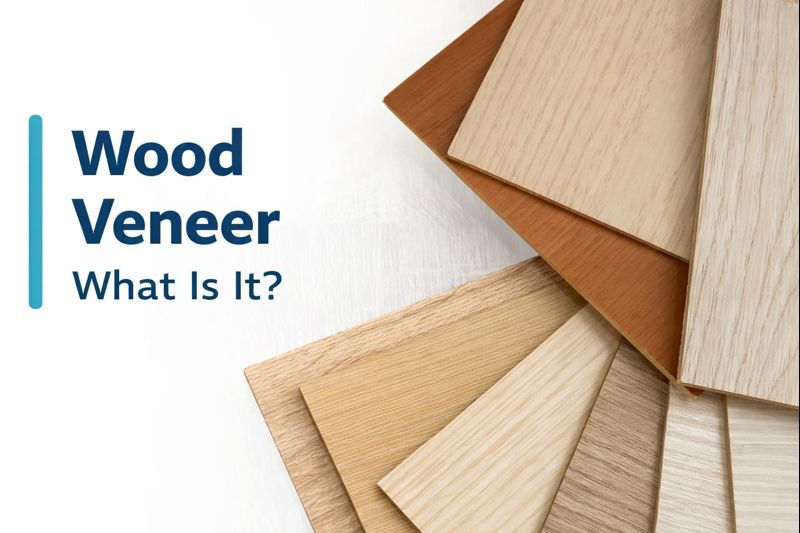
Introduction to Wood Veneer
Wood veneer is a natural surface material widely used in interior design and home renovation projects in Phnom Penh. It provides the authentic beauty of real wood while using less solid timber, making it a practical and more sustainable material choice.
In modern renovation and built-in furniture design, wood veneer is valued for its natural grain patterns, refined appearance, and flexibility in application. It allows designers to achieve a premium wood finish on cabinets, wall panels, doors, and custom furniture without the cost and movement issues of solid wood.ำ
This guide explains the types of wood veneer, its key characteristics, advantages and disadvantages, and when it is most suitable for residential and commercial interiors.
What wood veneer is
Its historical background
Types of wood veneer
Key characteristics, advantages, and limitations
How it is used in modern interior design

History and Evolution of Wood Veneer
The use of wood veneer dates back nearly 4,000 years, with the earliest evidence found in the tombs of Egyptian pharaohs.Thin slices of wood were carefully cut from logs using hand tools similar to saws—an advanced craft for its time.
Wood veneer was primarily used to decorate buildings and furniture for the elite, including royal palaces and tombs.
In the late 17th century, veneer craftsmanship advanced significantly in Europe.English furniture designer Thomas Chippendale became renowned in the early 18th century for his refined veneer furniture designs.
Later, the piano industry became one of the first major industries in North America to adopt wood veneer.By the mid-18th century, veneer pressing machines were patented, laying the foundation for modern veneer production technology.
What Is Wood Veneer?
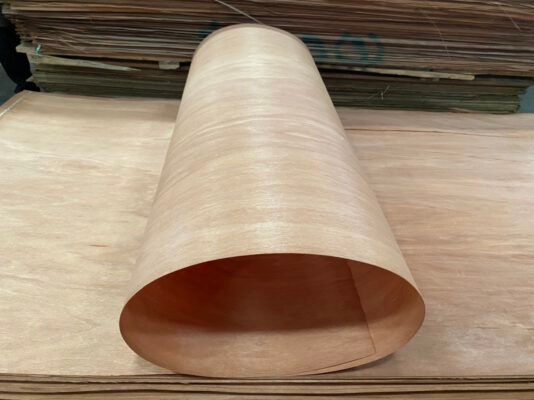
Wood veneer is a surface material made from thin slices of natural wood, cut directly from logs.
Typical thickness: up to 3 mm
The slices are dried, pressed, and assembled into sheets
Veneer is bonded onto substrates such as:
Plywood
Particle board
MDF / HDF
Blockboard
The surface is then finished with lacquer or polyurethane to protect against scratches and wear.

Wood veneer is commonly used for:
Built-in furniture
Loose furniture
Wall panels
Interior decorative elements
It provides a natural wood appearance and texture, similar to solid wood, but with greater material efficiency.

Sustainability of Wood Veneer
Today, over 90% of wood veneer production comes from sustainably managed plantation forests.Compared to solid wood, veneer:
Uses less raw material
Requires less energy in production
Supports responsible forestry
This makes wood veneer an environmentally responsible interior material.
Raw Materials and Natural Characteristics of Wood Veneer
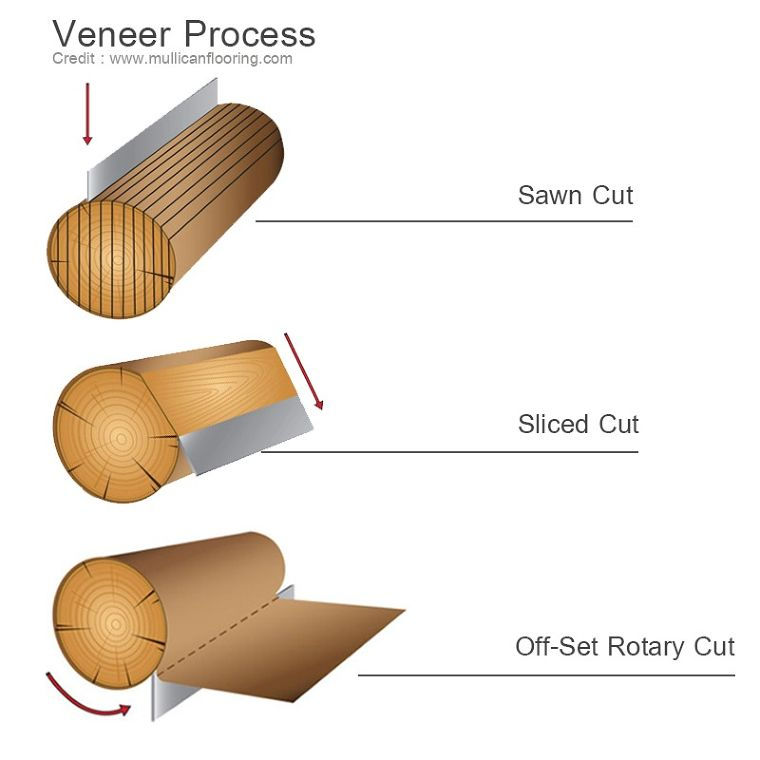
Wood veneer is produced by slicing logs into thin sheets, typically 0.3 – 3.0 mm thick.The slicing method plays a key role in revealing the natural beauty of the wood grain.

Key Natural Characteristics
GrainThe grain refers to the density and direction of wood fibers.
Straight grain comes from trees with uniform growth
Wavy or figured grain results from irregular cellular structures
FigureFigure is the unique visual pattern formed during a tree’s growth, influenced by:
Growth rate
Annual rings
Natural stress or disease
Environmental conditions
Cutting and processing methods
After slicing, veneer sheets are kiln-dried to remove moisture, then jointed and assembled into larger sheets.



Types of Wood Veneer
1. Natural Colour Veneer
Veneer with natural wood tones such as cream, light brown, or deep brown.Common species include:Ash, Oak, Maple, Beech, Walnut, Cherry, Mahogany, and Zebrano.
2. Recomposed Colour Veneer
Made by rearranging and dyeing veneer layers before compressing them into blocks and slicing them again.This process creates unique and non-uniform patterns that cannot occur naturally.

3. Fashion Colour Veneer
Veneer dyed in bold or contemporary colors such as:Red, pink, green, blue, or navy—often used in modern interior concepts.
4. Fancy Block Colour Veneer
Created by combining multiple veneer types into block-like compositions with contrasting tones, producing a distinctive visual effect.
5. Woven Veneer
Thin veneer strips woven together in a checker or basket pattern.This type has a textured, raised surface, offering a unique tactile experience.
6. Banding Inlay Veneer
Narrow veneer strips used as decorative inlays in furniture.
Width: 3 mm – 150 mm
Average length: ~1.2 m
Applied by routing grooves into furniture and inserting veneer bands.
Advantages of Wood Veneer
Natural wood appearance and texture
More sustainable than solid wood
Lighter weight
Efficient use of premium wood species
Suitable for high-end interior finishes
Limitations of Wood Veneer
Requires skilled installation
Surface can be damaged by excessive moisture
Less impact-resistant than laminate
Higher maintenance compared to synthetic surfaces
Wood Veneer in Modern Interior Design
In contemporary interior design, wood veneer is valued for its ability to create warm, refined, and timeless spaces.
When selected and finished correctly, veneer offers:
Visual depth
Natural elegance
A balance between luxury and sustainability
It is commonly used in residential, hospitality, and premium commercial
interiors.

Conclusion
Wood veneer is a versatile and sophisticated interior material that combines natural beauty, sustainability, and design flexibility.
Understanding its types, characteristics, and limitations allows designers and homeowners to choose veneer wisely—achieving interiors that feel authentic, elegant, and long-lasting.
Wood Veneer ជាអ្វី? មានប៉ុន្មានប្រភេទ និងមានគុណសម្បត្តិ–គុណវិបត្តិអ្វីខ្លះ
មគ្គុទេសក៍សំខាន់សម្រាប់ការរចនាផ្ទៃក្នុង
ការណែនាំអំពី Wood Veneer
Wood Veneer គឺជាសម្ភារៈគ្របផ្ទៃដែលផលិតពីឈើធម្មជាតិត្រូវបានប្រើយ៉ាងទូលំទូលាយក្នុងការរចនាផ្ទៃក្នុង និងការផលិតគ្រឿងសង្ហារឹម។
វាផ្តល់នូវ រូបរាង និងអារម្មណ៍ដូចឈើពិតប៉ុន្តែប្រើប្រាស់ឈើតិចជាង ធ្វើឱ្យវាមានទាំងភាពស្រស់ស្អាត និងភាពប្រើប្រាស់បានយូរ។
អត្ថបទនេះនឹងពន្យល់អំពី៖
Wood Veneer ជាអ្វី
ប្រវត្តិ និងការវិវត្ត
ប្រភេទនានារបស់ Wood Veneer
គុណសម្បត្តិ និងគុណវិបត្តិ
ការប្រើប្រាស់ Wood Veneer ក្នុងការរចនាផ្ទៃក្នុងសម័យទំនើប
ប្រវត្តិ និងការវិវត្តនៃ Wood Veneer
ប្រវត្តិនៃការប្រើប្រាស់ Wood Veneer អាចត្រឡប់ទៅក្រោយជាង 4,000 ឆ្នាំមុនដោយមានភស្តុតាងត្រូវបានរកឃើញនៅក្នុង សពសុសានរបស់ហ្វារ៉ោន ក្នុងប្រទេសអេហ្ស៊ីប។
នៅសម័យនោះ គេបានហាន់ឈើជាបន្ទះស្តើងៗដោយប្រើឧបករណ៍ដៃដែលត្រូវបានចាត់ទុកថាជាសិល្បៈហត្ថកម្មកម្រិតខ្ពស់។
Wood Veneer ត្រូវបានប្រើសម្រាប់តុបតែងអគារ និងគ្រឿងសង្ហារឹមសម្រាប់ជនជាន់ខ្ពស់ និងសំណង់សំខាន់ៗនៃអាណាចក្រអេហ្ស៊ីបបុរាណ។
នៅចុងសតវត្សទី 17បច្ចេកទេសផលិត Wood Veneer ត្រូវបានអភិវឌ្ឍឱ្យកាន់តែប្រសើរដោយអ្នករចនាគ្រឿងសង្ហារឹមជនជាតិអង់គ្លេស Thomas Chippendaleដែលមានឈ្មោះល្បីខ្លាំងនៅដើមសតវត្សទី 18។
បន្ទាប់មក ឧស្សាហកម្ម ព្យាណូ នៅអាមេរិកខាងជើងបានក្លាយជាឧស្សាហកម្មដំបូងៗដែលប្រើ Wood Veneer ក្នុងការផលិត។នៅពាក់កណ្តាលសតវត្សទី 18ម៉ាស៊ីនបង្ហាប់ Veneer ត្រូវបានចុះប៉ាតង់ហើយក្លាយជាមូលដ្ឋានសម្រាប់បច្ចេកវិទ្យាផលិត Veneer សម័យទំនើប។
Wood Veneer ជាអ្វី?
Wood Veneer គឺជាសម្ភារៈគ្របផ្ទៃដែលផលិតពី សន្លឹកឈើស្តើងៗបានហាន់ចេញពីឈើទន្លើ (Log) ដោយផ្ទាល់។
កម្រាស់ទូទៅ: មិនលើស 3 មម
សន្លឹកឈើត្រូវបានសម្ងួត បង្ហាប់ និងតភ្ជាប់ជាបន្ទះ
ត្រូវបានបិទលើសម្ភារៈមូលដ្ឋាន ដូចជា៖
Plywood
Particle Board
MDF / HDF
Blockboard
បន្ទាប់មក ផ្ទៃ Wood Veneer ត្រូវបានគូរបញ្ចប់ដោយ Lacquer ឬ Polyurethaneដើម្បីការពារការឆ្កូត និងការប្រើប្រាស់ប្រចាំថ្ងៃ។
Wood Veneer ត្រូវបានប្រើយ៉ាងទូលំទូលាយសម្រាប់៖
គ្រឿងសង្ហារឹមបង្កប់ (Built-in Furniture)
គ្រឿងសង្ហារឹមឯករាជ្យ
ជញ្ជាំងតុបតែង
ការតុបតែងផ្ទៃក្នុងផ្សេងៗ
វាផ្តល់នូវ អារម្មណ៍ធម្មជាតិ និងភាពប្រណិតស្រដៀងឈើពិត។
ភាពជាមិត្តបរិស្ថាននៃ Wood Veneer
បច្ចុប្បន្ននេះ ជាង 90% នៃ Wood Veneerត្រូវបានផលិតពី ព្រៃឈើដាំដែលមានការគ្រប់គ្រងប្រកបដោយចីរភាព។
បើប្រៀបធៀបនឹងឈើដុំ Wood Veneer៖
ប្រើឈើតិចជាង
ប្រើថាមពលក្នុងការផលិតតិច
គាំទ្រការអភិរក្សព្រៃឈើ
Wood Veneer ដូច្នេះត្រូវបានចាត់ទុកថាជាសម្ភារៈគ្របផ្ទៃដែលមិត្តបរិស្ថាន។
វត្ថុធាតុដើម និងលក្ខណៈធម្មជាតិនៃ Wood Veneer
Wood Veneer ត្រូវបានផលិតដោយហាន់ឈើជាសន្លឹកមានកម្រាស់ប្រហែល 0.3 – 3.0 មម។
វិធីសាស្ត្រហាន់ឈើមានឥទ្ធិពលយ៉ាងខ្លាំងចំពោះភាពស្រស់ស្អាតនៃលំនាំឈើ។
Grain (លំនាំសរសៃឈើ)
សរសៃឈើបង្ហាញពីទិសដៅ និងដង់ស៊ីតេនៃសែលឈើ
ឈើដែលលូតលាស់ស្មើ → Grain ត្រង់
ឈើដែលមានរចនាសម្ព័ន្ធមិនស្មើ → Grain រលក
Figure (លំនាំពិសេសធម្មជាតិ)
Figure កើតឡើងពី៖
អត្រាលូតលាស់របស់ឈើ
រង្វង់ឆ្នាំ
សម្ពាធធម្មជាតិ
ជំងឺ ឬការខូចខាត
វិធីសាស្ត្រកាត់ និងផលិត
បន្ទាប់ពីហាន់ សន្លឹក Veneer ត្រូវបានសម្ងួតហើយតភ្ជាប់ជាបន្ទះធំៗសម្រាប់ការប្រើប្រាស់។
ប្រភេទនៃ Wood Veneer
1. Natural Colour Veneer
Veneer ពណ៌ធម្មជាតិដូចជា Ash, Oak, Maple, Beech, Walnut, Cherry, Mahogany, Zebranoផ្តល់អារម្មណ៍ធម្មជាតិ និងកក់ក្ដៅ។
2. Recomposed Colour Veneer
ផលិតដោយរៀបចំ និងយ้อมសន្លឹក Veneerបន្ទាប់មកបង្ហាប់ជាប្លុក និងកាត់ឡើងវិញបង្កើតលំនាំថ្មីដែលមិនអាចរកឃើញក្នុងធម្មជាតិ។
3. Fashion Colour Veneer
Veneer ដែលបានយ้อมពណ៌សម័យទំនើបដូចជា ក្រហម ខៀវ បៃតង ផ្កាឈូកសាកសមសម្រាប់ការរចនាបែប Modern។
4. Fancy Block Colour Veneer
ការលាយ Veneer ច្រើនប្រភេទបង្កើតជាប្លុកពណ៌ផ្ទុយគ្នាផ្តល់រូបរាងប្លែក និងមានអត្តសញ្ញាណ។
5. Woven Veneer
Veneer ដែលបានស្រោបសានជាលំនាំក្រឡាចត្រង្គផ្ទៃនឹងលេចឡើង និងផ្តល់អារម្មណ៍ប៉ះខុសពីធម្មតា។
6. Banding Inlay Veneer
Veneer ជាសន្លឹកតូចៗប្រើសម្រាប់តុបតែងជាគំនូរបន្ទាត់ (Inlay) លើគ្រឿងសង្ហារឹមទទឹងពី 3 មម ដល់ 150 មមប្រវែងមធ្យមប្រហែល 1.2 ម៉ែត្រ។
គុណសម្បត្តិរបស់ Wood Veneer
រូបរាង និងអារម្មណ៍ឈើធម្មជាតិ
ប្រើឈើមានប្រសិទ្ធភាព
ទម្ងន់ស្រាលជាងឈើដុំ
សាកសមសម្រាប់ការរចនាផ្ទៃក្នុងប្រណិត
មិត្តបរិស្ថាន
គុណវិបត្តិរបស់ Wood Veneer
ត្រូវការជាងមានជំនាញ
មិនធន់នឹងសំណើមខ្លាំង
ងាយខូចជាង Laminate
ត្រូវការការថែទាំល្អ
Wood Veneer ក្នុងការរចនាផ្ទៃក្នុងសម័យទំនើប
Wood Veneer ត្រូវបានគេពេញនិយមក្នុងការបង្កើតផ្ទៃក្នុងដែល កក់ក្ដៅ ប្រណិត និងមិនចាស់សម័យ។
បើជ្រើសរើស និងបញ្ចប់ផ្ទៃបានត្រឹមត្រូវWood Veneer អាចផ្តល់បានទាំងសោភ័ណភាព ភាពធម្មជាតិ និងភាពប្រើប្រាស់បានយូរ។
សរុប
Wood Veneer គឺជាសម្ភារៈគ្របផ្ទៃដែលរួមបញ្ចូល សម្រស់ធម្មជាតិ ភាពចីរភាព និងភាពបត់បែនក្នុងការរចនា។
ការយល់ដឹងអំពីប្រភេទ និងលក្ខណៈរបស់វានឹងជួយឱ្យអ្នកជ្រើសរើស Wood Veneer បានត្រឹមត្រូវសម្រាប់ការរចនាផ្ទៃក្នុងដែលស្អាត ប្រណិត និងប្រើប្រាស់បានយូរ។
Looking for a professional renovation contractor in Phnom Penh?Explore our main renovation service page to learn more about our process and completed projects.


Comments