Warm Home Interior Design Ideas for Cozy Homes in Phnom Penh គំនិតរចនា Warm Home Interior Design សម្រាប់ផ្ទះកក់ក្តៅនៅភ្នំពេញ

Updated: 5 days ago

Warm Home Interior Design Ideas for Cozy Homes in Phnom Penh
How to create a warm, comfortable and elegant home with the right colors, materials, lighting and spatial planning.
A warm home is not simply a home with beige walls, wooden furniture or yellow lighting.
Good warm interior design is about creating a space that feels comfortable, calm and inviting from the moment you walk through the door.
In Phnom Penh, where modern houses, Borey homes and renovated villas often have different proportions and architectural conditions, creating this feeling requires more than choosing beautiful furniture.
The relationship between space planning, materials, lighting, colors, furniture and everyday lifestyle all play an important role.
This guide explains how to create a warm and cozy home interior while keeping the design elegant, practical and suitable for modern homes in Phnom Penh.

What Is Warm Home Interior Design?
Warm Home Interior Design focuses on creating a comfortable and welcoming atmosphere through the combination of colors, materials, lighting, furniture and spatial planning.
The goal is not to make every part of the house look “warm.”
Instead, the designer creates a balance between warmth and simplicity.
A well-designed warm interior may use:
Warm neutral colors
Natural wood
Soft fabrics
Textured surfaces
Indirect lighting
Comfortable furniture
Natural or warm-toned materials
Carefully controlled contrast
The result should feel comfortable without being cluttered, elegant without being cold, and personal without being overly decorated.
This is particularly useful for homeowners who want a contemporary home but do not want the space to feel too hard, empty or overly minimal.

Why Warm Interior Design Works Well for Homes in Phnom Penh
Modern homes in Phnom Penh increasingly feature clean architectural lines, large windows, tiled floors, built-in furniture and contemporary materials.
These elements can create a sophisticated appearance, but if they are used without enough texture or warmth, the house may feel visually cold.
For example, a room with:
Large white walls
Glossy tiles
Strong ceiling lighting
Minimal furniture
Grey surfaces
may look modern, but it may not necessarily feel comfortable.
Adding warmer materials, softer lighting and better furniture proportions can dramatically change the atmosphere.
The important point is that warm design does not mean adding more decoration.
Sometimes the better solution is to simplify the room and improve the relationship between the major elements.

1. Start With the Space, Not the Decoration
One of the most common mistakes in home interior design is starting with furniture, colors or decorative objects before considering the layout.
A beautiful sofa cannot fix a poor floor plan.
Before selecting finishes, consider:
How people enter the house
Where they naturally walk
Where the family spends time
The relationship between living and dining areas
Privacy between public and private spaces
Natural light
Views from windows
Storage requirements
Furniture proportions
For example, a living room may have enough floor area but still feel uncomfortable if the sofa blocks circulation or the furniture is too large for the room.
Warmth comes partly from how naturally the space works.
A comfortable layout allows people to move, sit, talk and relax without constantly feeling that something is in the way.

2. Choose a Warm Neutral Color Palette
Warm interiors do not need strong colors.
In many contemporary homes, the most sophisticated approach is to use a restrained neutral palette.
Popular colors include:
Warm white
Ivory
Cream
Beige
Taupe
Warm grey
Soft brown
Natural wood tones
These colors create a calm background that allows furniture, artwork and architectural details to become part of the overall composition.
A useful approach is the 3-layer color system:
Base color
The main architectural background such as walls, ceiling and large surfaces.
Secondary color
Furniture, curtains, cabinetry and larger decorative elements.
Accent color
Small details such as artwork, cushions, metal finishes or accessories.
This creates visual hierarchy without making the room feel busy.

3. Use Wood to Add Natural Warmth
Wood is one of the easiest materials to introduce warmth into a contemporary interior.
But using wood everywhere is not necessarily better.
Too much wood can make a room feel heavy.
Instead, use wood strategically in areas such as:
TV walls
Built-in cabinets
Dining tables
Kitchen cabinets
Bedroom headboards
Doors
Decorative wall panels
Side tables
Different wood tones also produce different moods.
Light oak can create a brighter and more relaxed feeling.
Medium natural wood can feel balanced and contemporary.
Dark walnut can create a richer and more sophisticated atmosphere.
The key is to control the quantity, tone and location of the wood.

4. Lighting Is One of the Most Important Elements
You can have expensive furniture and beautiful materials, but if the lighting is wrong, the room can still feel uncomfortable.
Warm interior design usually benefits from layered lighting rather than relying on one large ceiling light.
A good lighting plan may combine:
General Lighting
Provides overall illumination for the room.
Accent Lighting
Highlights artwork, architectural features, shelving or decorative walls.
Indirect Lighting
Creates soft illumination from concealed sources such as ceiling details, wall recesses or furniture.
Decorative Lighting
Pendant lights, table lamps and floor lamps can introduce another layer of atmosphere.
Instead of asking:
“How many lights do we need?”
A better question is:
“What should we see, and what kind of atmosphere should we feel?”
This changes the way lighting is designed.

5. Texture Makes a Room Feel Comfortable
Color alone cannot create warmth.
Texture is equally important.
Imagine a room where every surface is smooth and hard:
Glossy tile
Glass
Painted walls
Metal
Hard furniture
The room may look clean but can feel visually flat.
Adding texture introduces depth.
Consider:
Fabric sofas
Linen curtains
Rugs
Cushions
Timber
Stone
Fluted panels
Textured wall finishes
Upholstered furniture
The objective is not to add texture everywhere.
Instead, combine different textures so that the room has enough visual and physical softness.

6. Warm Living Room Ideas
The living room is usually one of the most important areas for creating a warm home.
A comfortable warm living room may combine:
A generously proportioned sofa
Soft cushions
A rug defining the seating area
A timber or stone coffee table
Warm wall colors
Layered lighting
Curtains that soften natural light
Built-in storage to reduce visual clutter
The layout should encourage conversation rather than simply pointing every seat toward a television.
If the TV is the main focus, the design can still incorporate a feature wall, concealed storage and softer materials so that the television does not dominate the entire room.

7. Warm Bedroom Interior Design
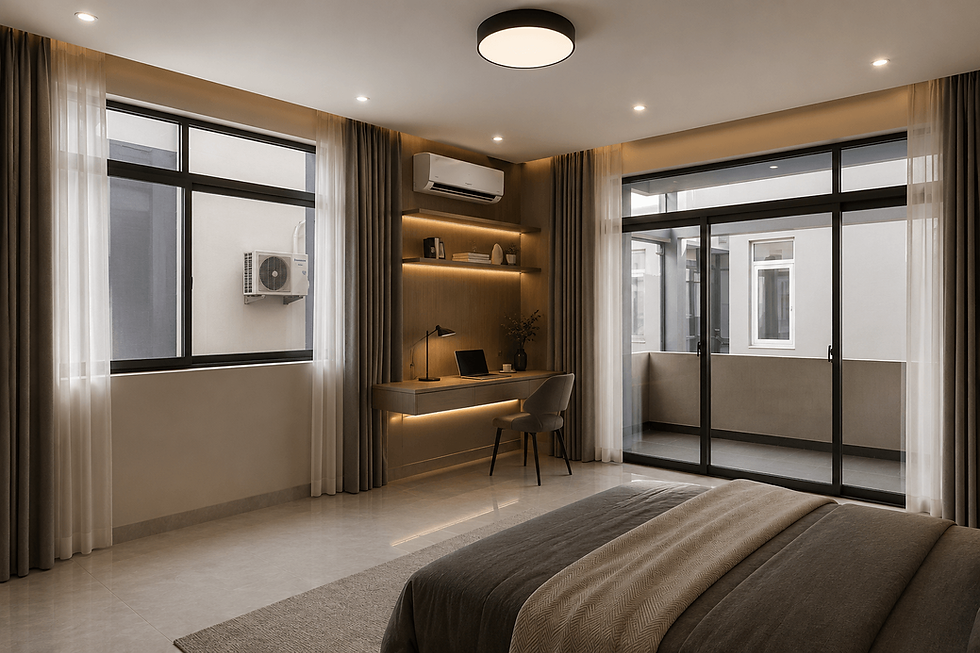
The bedroom should have a different level of visual energy from the living room.
This is where warm interior design can become particularly effective.
Use:
Soft neutral colors
Upholstered headboards
Warm bedside lighting
Timber elements
Soft curtains
Layered bedding
Rugs or soft flooring materials
Concealed storage
Avoid excessive contrast and overly bright lighting.
A bedroom should feel visually quiet.
The goal is not simply to make the bedroom beautiful.
It should make you want to slow down and rest.

8. Warm Kitchen Design
Modern kitchens often contain many hard surfaces:
Stone
Glass
Metal
Tile
Cabinet panels
This makes the kitchen practical and durable, but it can also make the space feel cold.
A warmer kitchen can combine these practical materials with:
Timber cabinetry
Warm neutral cabinet colors
Under-cabinet lighting
Soft pendant lighting
Natural stone
Wood dining furniture
Warm-toned hardware
The kitchen can therefore remain modern while feeling connected to the rest of the home.

9. Dining Area: Make It Feel Connected
The dining area should not feel like an isolated room.
In an open-plan home, the dining area can become a transition between the kitchen and living room.
A simple combination of:
Dining table + comfortable chairs + pendant light + artwork or feature wall
can establish a clear identity without requiring excessive decoration.
Lighting is particularly important here.
A pendant positioned correctly above the dining table can create a more intimate atmosphere and visually define the dining zone.

10. Don't Forget the Entry and Foyer
The first few seconds inside a home influence how the entire house feels.
A foyer does not need to be large.
It needs to be intentional.
A simple entry sequence might include:
Entrance → Console → Artwork/Mirror → Soft Lighting → Transition into Living Space
This creates a sense of arrival.
For larger homes, the foyer can also be used to establish the design language through materials, lighting and architectural details that continue throughout the house.

11. Warm Does Not Mean Dark
This is an important distinction.
Many people associate “warm” with:
Dark brown
Yellow lighting
Heavy wood
Dark furniture
But a warm home can also be very bright.
For example:
Warm white + ivory + light oak + linen + soft lighting
can feel warm while remaining bright and contemporary.
Likewise:
Taupe + walnut + bronze + fabric + indirect lighting
can create a deeper, more luxurious atmosphere.
The warmth comes from the combination of materials, colors, lighting and proportions, not from darkness.

12. Warm Interior Design for Borey Homes
Borey homes often come with a predefined architectural layout.
This creates a different design challenge from designing a house from scratch.
The existing structure may determine:
Room locations
Staircase positions
Window locations
Door openings
Ceiling heights
Plumbing locations
Electrical points
Instead of simply decorating around these limitations, an interior designer can examine whether the existing layout still works for the homeowner's lifestyle.
Sometimes relatively simple changes can improve the entire house:
Reorganizing furniture
Adding built-in storage
Changing lighting
Replacing finishes
Modifying partitions
Improving circulation
Connecting rooms visually
In larger renovation projects, the layout itself may need to be reconsidered before selecting finishes.
This is why good interior design should begin with planning, not decoration.
13. How to Create a Warm Home Without Making It Cluttered
This is where restraint becomes important.
A warm home does not need:
Many cushions
Many decorative objects
Many wall decorations
Multiple wood finishes
Too many colors
Too many different lighting fixtures
Instead, select fewer elements and make each one work harder.
A well-designed room often feels warm because there is enough space between things.
Negative space is part of the design.
This is especially important in Phnom Penh homes where homeowners may have many functional requirements but still want a clean contemporary appearance.

14. Think About the Home as One Connected Experience
Another common mistake is designing every room separately.
The living room may be beige.
The kitchen may be grey.
The bedroom may be dark brown.
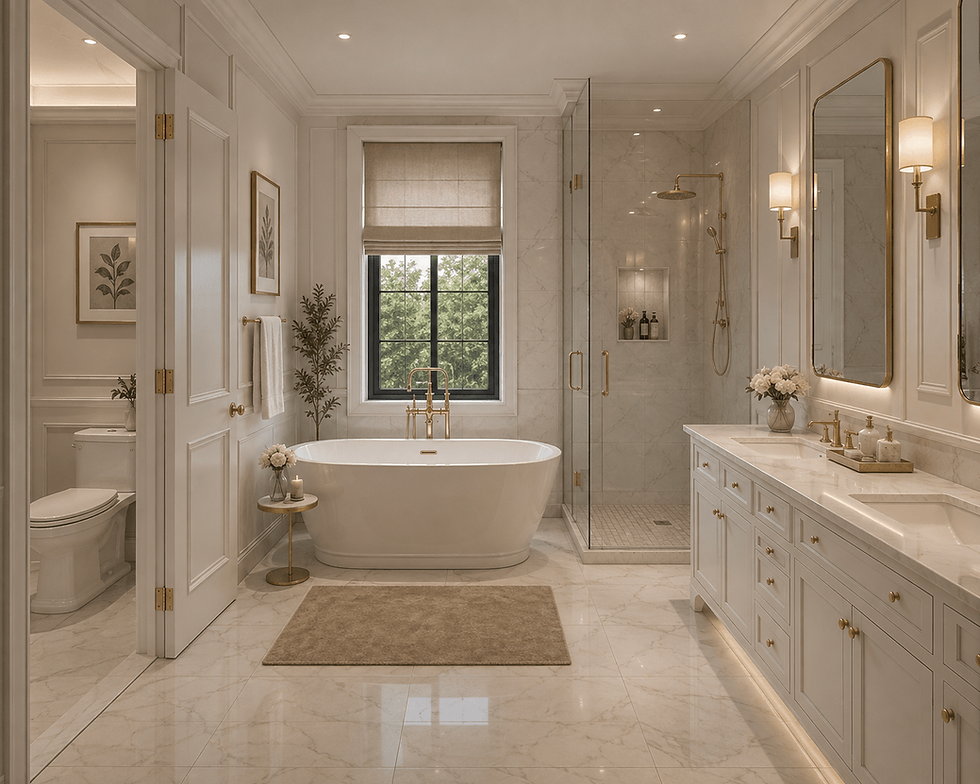
The bathroom may use completely different materials.
Each room may look attractive individually but the house can feel disconnected.
A stronger approach is to establish a common design language.
For example:
Warm White + Taupe + Natural Wood + Bronze + Soft Lighting
can continue through the house while each room has its own character.
This creates a more sophisticated feeling.

15. Warm Interior Design Is About How You Live
Ultimately, interior design should not be about following a trend.
A beautiful room that does not work for the people living in it is not successful design.
Ask practical questions:
Where do you usually sit?
Do you watch TV every night?
Do you entertain guests?
Do you work from home?
Do you cook often?
Do you need more storage?
Do children use the living room?
Do you prefer bright or soft lighting?
Do you need privacy?
Which spaces should feel social and which should feel quiet?
These answers should influence the design.
The best warm home is not necessarily the one with the most expensive materials.
It is the one where the design, materials and layout support the way the people actually live.
Final Thoughts
Creating a warm home in Phnom Penh does not require filling the house with brown furniture, yellow lights or decorative objects.
A successful warm interior comes from the relationship between:
**Space Planning
Color
Materials
Lighting
Texture
Furniture
Lifestyle**
When these elements are carefully balanced, a home can feel warm, elegant and comfortable at the same time.
Whether it is a new villa, a Borey home, a condominium or an existing house being renovated, the starting point should always be understanding the space and how it will be used.
Good interior design is not simply about making a home look beautiful. It is about making the home feel right.


Comments