Interior Decoration Ideas for Modern Homes-How Good Interior Design Makes a Home Feel Better in phnom penh

Updated: 7 hours ago

Designing a Home Through the Six Senses
When we think about interior design, we often start with what we can see.
The colour of the walls.The furniture.The flooring.The lighting.The decoration.
But a home is experienced through much more than sight.
When you walk through a space, you hear its sounds, feel its temperature and materials, notice its smell, experience how your body moves through it, and eventually develop an emotional response to the place.
Good interior design considers all of these experiences together.
At SALA DECOR, we believe that an interior should not simply look beautiful in photographs.
It should feel right when you live in it.
Interior Design Begins With a Feeling
Sometimes a client cannot describe exactly what they want.
They may say:
“I want my home to feel calm.”
Or:
“I want it to feel warm, but still modern.”
Or:
“I want something elegant, but not too formal.”
These statements are not design specifications yet.
They are feelings.
The role of an interior designer is to understand those feelings and translate them into physical decisions.
What colour should the space be?
What materials should be used?
How should the rooms connect?
How should the lighting work?
Where should furniture be placed?
How should sound, privacy and movement be controlled?
This is where interior design becomes more than decoration.

01 — What Do You See?
Vision shapes the first impression.
When you enter a home, your eyes immediately begin to understand the space.
You notice:
The entrance
The proportions of the room
Natural light
Furniture
Materials
Colours
Views
Architectural details
A good interior does not necessarily try to show everything at once.
Sometimes the designer needs to decide what you should see first.
Perhaps it is a beautiful view.
Perhaps it is a feature wall.
Perhaps it is a piece of furniture.
Perhaps it is simply an open and calm space.
This creates visual hierarchy.
The goal is not to fill the room with beautiful objects.
It is to create a visual experience where each element has a reason to be there.

02 — What Do You Hear?
Sound changes how a space feels.
A room can look peaceful but sound uncomfortable.
Hard floors, large glass surfaces and empty walls can create echoes.
A television may be heard from another room.
Outside traffic may become part of the interior experience.
Good interior design can respond to these conditions through:
Furniture placement
Curtains
Upholstery
Rugs
Wall materials
Ceilings
Spatial separation
Acoustic materials
For example, a living room designed for conversation should not only look comfortable.
It should sound comfortable.
The objective is not necessarily silence.
It is creating the right acoustic environment for the way the space is used.

03 — What Do You Smell?
Smell is often overlooked in interior design.
Yet smell can strongly influence how we experience a place.
A home may have the smell of:
Wood
Food
Natural materials
Fresh air
Plants
Fragrance
Cleaning products
Humidity
Kitchen ventilation, bathroom ventilation, air circulation and material selection can all influence the experience.
In a tropical environment such as Phnom Penh, moisture and ventilation are particularly important considerations.
A beautiful interior should also be a comfortable environment to breathe and live in.

04 — What Does Your Body Feel?
Interior design is experienced physically.
Think about walking into a room.
How does the floor feel under your feet?
How far do you walk before reaching the sofa?
Is the chair comfortable?
Can you open a cabinet easily?
Is the kitchen worktop at a comfortable height?
Does the room feel too hot or too cold?
Can you move around the furniture naturally?
These are not decoration decisions.
They are spatial and ergonomic decisions.
Good design considers the human body.
The distance between furniture, the height of surfaces, the width of circulation paths and the relationship between rooms all affect everyday comfort.

05 — What Do You Taste?
Food is part of the experience of a home.
The kitchen and dining area are not simply functional rooms.
They are places where people gather.
A well-designed kitchen considers how people prepare food, move around the space and interact with others.
A dining area considers:
Table size
Seating
Lighting
Distance from the kitchen
Views
Acoustics
Atmosphere
The experience of eating is therefore connected to interior design.
A dining room can encourage conversation.
A kitchen can make cooking easier.
A bar or coffee corner can create a completely different social experience.
Design is not only about what a room looks like.
It is about what happens there.

06 — How Does the Space Make You Feel?
This is where everything comes together.
After seeing, hearing, smelling, touching and experiencing a space, we develop an emotional response.
A home can make us feel:
Calm.
Comfortable.
Safe.
Energised.
Connected.
Private.
Proud.
This emotional response is difficult to create with one material or one piece of furniture.
It comes from the relationship between many decisions.
Colour.
Light.
Scale.
Texture.
Sound.
Temperature.
Furniture.
Privacy.
Views.
Movement.
And the way all of these elements work together.
From Six Senses to Design Decisions
This is where the designer's experience becomes important.
A client might say:
“I want my home to feel calm.”
That sentence can lead to many different design decisions.
Visual Calm
A controlled colour palette, simple forms and reduced visual clutter.
Acoustic Calm
Soft materials, appropriate furniture and better spatial separation.
Physical Calm
Comfortable furniture, natural circulation and appropriate temperature.
Emotional Calm
Privacy, balanced lighting and spaces that feel protected from outside activity.
The original request was only one sentence.
The design process turns that feeling into a series of decisions.
This is what an interior designer brings to the project.

Design Is Also About What You Don't See
Some of the most important parts of an interior are not immediately visible.
Electrical planning.
Lighting systems.
Air-conditioning.
Storage.
Water systems.
Acoustics.
Construction details.
Joinery.
Door operation.
Material transitions.
These systems influence how the finished space works every day.
A beautiful room with poor planning can become frustrating to live in.
For this reason, SALA DECOR looks at the interior as a complete system rather than a collection of decorative elements.
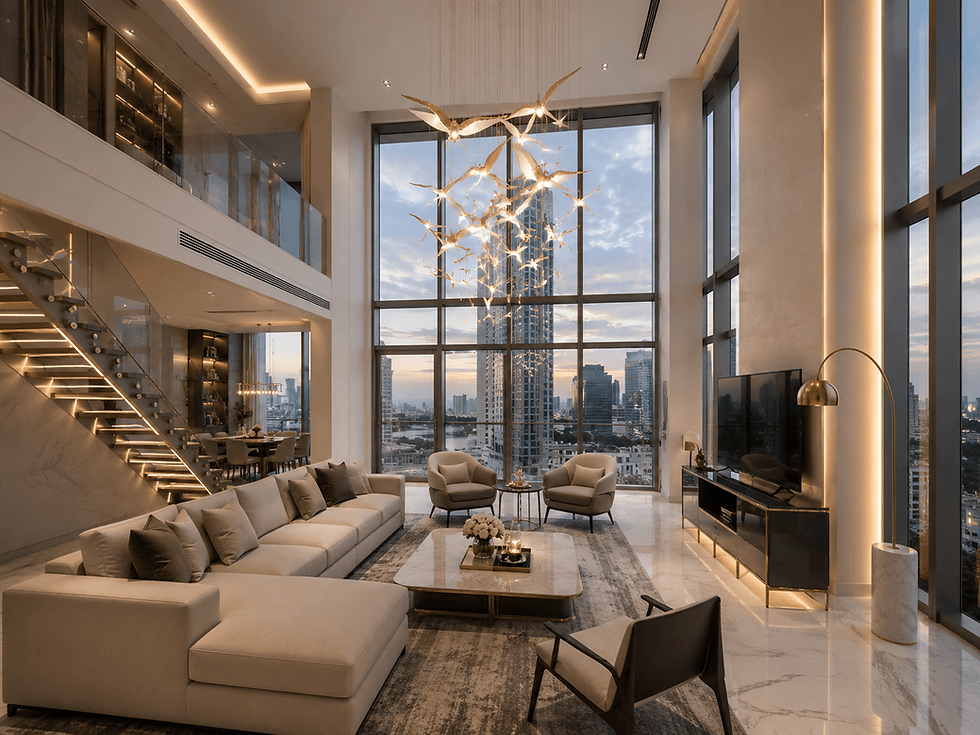
A Beautiful Interior Should Also Be Easy to Live In
We believe there is a difference between a room that looks good and a room that works well.
A successful interior should balance:
BeautyFunctionComfortDurabilityMaintenancePersonal character
A home should not feel like a showroom.
It should feel like your home.

How SALA DECOR Approaches Interior Design
Our process begins with listening.
You may come to us with drawings.
You may come with photographs.
You may have Pinterest references.
Or you may simply say:
“I know what I want it to feel like, but I don't know how to achieve it.”

That's enough to begin.
We help develop those ideas through:
Understanding
We learn how you live, what you need and what you want the space to feel like.
Observing
We study the architecture, proportions, natural light, existing conditions and surrounding environment.
Exploring
We consider different layouts, materials, lighting and design directions.
Refining
We use our experience to identify what works, what needs to change and how different ideas can work together.
Developing
The design is developed into materials, details, drawings and specifications.
Building
The final design is brought into reality through construction, craftsmanship and installation.

Your Idea Doesn't Have to Be Perfect
You don't need to know exactly what style you want.
You don't need to know which materials to choose.
You don't need to have a finished design in your head.
You can simply tell us what you like.
What you don't like.
What you have experienced before.
What you want your home to feel like.
We help turn those thoughts into a clear design direction.
Our experience gives you another perspective — one that considers not only how the interior looks, but also how it works, feels and ages.

From Ideas to Better Living
At SALA DECOR, we believe interior design is ultimately about people.
Not just rooms.
Not just furniture.
Not just materials.
A good interior should support the way you live and create an environment you enjoy returning to every day.
You bring the ideas.We bring our experience.Together, we create a better place to live.


Comments